Eco-Friendly Pressure Washing: What You Need to Know

Eco-Friendly Pressure Washing can feel like a buzzword until a driveway runoff line shows up after a cleaning. Most of the time, the difference comes down to water control, product choice, and how the dirty rinse water is handled.
Eco-Friendly Pressure Washing and Water Use
Eco-Friendly Pressure Washing begins with a simple truth: water does the heavy lifting, and a lot of it moves fast. Flow rate matters because gallons per minute can quietly decide how much runoff ends up near a curb, a drain, or a garden bed.
A lighter touch often wins in the long run. Less time on the trigger, better angles, and the right nozzle can loosen grime without blasting it across the yard. In many cases, a pre-rinse and a short dwell time do more than turning the pressure up.
Runoff Rules and Storm Drains
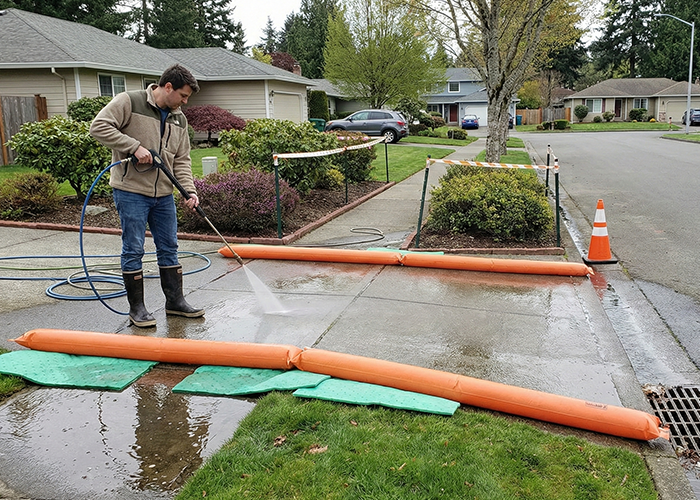 Storm drains exist to move rainwater, not wash water. In plenty of neighborhoods, anything that goes down a street drain can reach creeks, rivers, or coastal water with little or no treatment.
That is where the legal side shows up. Federal rules and local stormwater programs can treat wash water as a pollutant discharge when it carries dirt, soap, oil, or debris off a surface. Local guidance tends to be strict about keeping pressure washing wastewater out of storm drains, so a quick check of city or county rules is worth the effort before any job starts.
The Real Mess is in the Wash Water
The most important “eco” question is not the machine. The bigger issue is what gets pulled off the surface and where that rinse water ends up.
Driveways and parking pads can hold oil drips, brake dust, and tiny rubber bits. Siding can shed chalky oxidation and old dust. Even a “safe” cleaner can generate dirty wastewater when it lifts grime, algae, and residue, so the plan for containment matters as much as the plan for cleaning.
What Cleaning Products to Use?
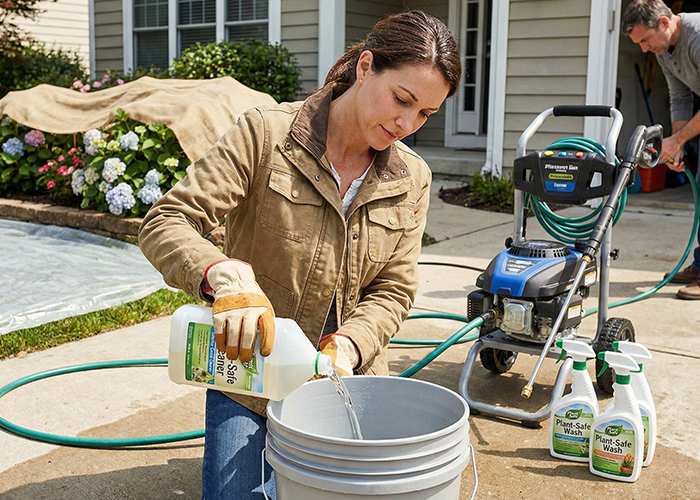 A lot of homeowners focus on “biodegradable” and stop there. Labels help, but they do not replace common sense, especially around plants and waterways.
A safer approach usually includes products that are phosphate-free, used at the right dilution, and rinsed with control so overspray stays off landscaping. Some homeowners look for third-party labels that screen ingredients for human health and aquatic impacts, reducing guesswork when shopping.
The phrase sustainable pressure washing gets used for this whole mindset. A simpler way to think about it is smaller chemical loads, less wasted water, and better runoff control.
A Lower-Pressure Approach That Still Gets Results
High pressure feels satisfying, yet it is not always the cleanest option. Softer methods can reduce surface damage and reduce the need for aggressive chemicals to “fix” etched wood or scarred siding later.
Soft washing often relies on lower pressure, longer dwell time, and a rinse that is guided rather than sprayed everywhere. Delicate surfaces tend to look better when growth is treated and rinsed away rather than scraped off with force. That approach also keeps more debris within a manageable area rather than scattering it across the property.
Containment Tools That Keep Water on Site
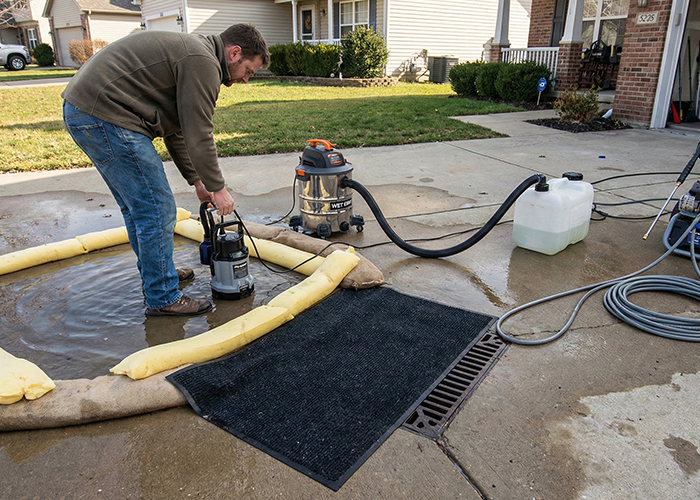 Eco-Friendly Pressure Washing gets a lot more real once hoses, drains, and slopes enter the picture. A flat patio with no nearby drain is one thing. A sloped driveway that leads straight to the gutter is another.
Containment usually means stopping runoff first, then collecting it. A basic setup can be simple, but it needs to match the job and the property layout.
Common containment options include:
- Drain covers or mats to block nearby storm drains during cleaning
- Sand socks or foam berms to slow and redirect wash water
- Wet vacs to collect pooled water before it spreads
- A sump pump to move captured water to an approved disposal point
Local rules vary on where collected wastewater may go. In many places, discharge to a sanitary sewer is permitted only with approval and under specific conditions, while storm drain discharge is treated as a violation.
Plants, Pets, and People Near the Work Area
Landscaping damage is one of the fastest ways for a “green” job to feel like the opposite. Most issues arise from overspray, strong mixes, and insufficient plant rinsing.
Extra water can be a friend here. Pre-wetting plant beds, gently rinsing leaves after a nearby wash, and keeping runoff out of mulch areas can reduce stress on shrubs and grass. Pets and kids deserve the same respect, so the work zone should be kept clear until everything is rinsed and dry.
A few safety steps can be overlooked when the goal is eco-friendly. Eye protection, controlled spray direction, and good ventilation around doors and windows still matter, even with milder products.
Surfaces That Benefit From a More Careful Plan
 Different materials react differently, so the “eco” choice often depends on the surface.
Painted Siding and Stucco
Older paint can lift if the spray hits at the wrong angle. A wider spray pattern, more distance, and a top-down rinse can help keep water from being forced behind siding.
Stucco deserves patience. Water intrusion can happen when cracks are present, so lower pressure and controlled rinsing reduce the risk of soaking the wall.
Wood Decks
Wood can fuzz and splinter when pressure is too high. A gentler rinse and a cleaner designed for wood can lift grime while preserving the grain, making subsequent staining and sealing more predictable.
Concrete and Pavers
Concrete handles higher pressure than most exterior materials, but runoff can carry a surprising amount of grime. Pavers add another wrinkle because joint sand can be displaced, so the pressure and nozzle choice should protect the seams.
Roofs
Roof cleaning tends to call for low pressure. A careful chemical approach with proper rinsing can remove dark streaks without stripping granules, and runoff planning becomes critical because roof water flows straight to downspouts.
Timing and Weather Matter More Than People Expect
Dry, mild weather makes runoff easier to manage. Heavy wind can push overspray onto cars, windows, and landscaping, which usually leads to extra rinsing and more wastewater.
Rain changes everything. Fresh rinse water can be swept into gutters quickly once storms hit, so many pros avoid chemical washing when rain is expected soon after the job. Heat also matters because products can dry too fast on hot surfaces, which can cause residue and force extra rinsing.
Eco-Friendly Pressure Washing: Upgrades to Make
 Equipment choices can nudge results in the right direction. Electric pressure washers typically produce no exhaust emissions and are a better fit for light-duty home jobs, while gas units usually handle heavier cleaning faster.
Maintenance helps, too. A leaking hose wastes water, and a worn nozzle can produce an uneven spray, leading to longer cleaning time. A surface cleaner attachment can reduce overspray on flatwork, which often keeps more wastewater in the collection area rather than spraying outward.
Eco-Friendly Pressure Washing is not about perfection. A thoughtful plan, modest products, and tight water control usually get the clean look homeowners want without sending the mess down the street.
Clean With a Conscience
Eco-Friendly Pressure Washing works best when the cleaning stays on your property and the dirty water gets treated like waste, not rain. A little planning up front can keep your home looking sharp while treating the neighborhood drains, plants, and waterways with care.
Related Articles:


