Pressure Wash Garden Walls: Why Do It?

Clean garden walls set the tone for the whole community. Fresh surfaces make plant beds look planned, paths feel welcoming, and shared spaces photo-ready. A steady habit to pressure wash garden walls each season keeps that look without fuss.
Pressure Wash Garden Walls as Part of Seasonal Care
Walls collect pollen, soot, and algae as the months pass. Left alone, that film settles into pores and becomes harder to remove. When you pressure wash garden walls on a schedule, you lift debris before it can take hold.
A seasonal plan also brings order to the workload. Crews can group buildings by zone and finish more in fewer mobilizations. That rhythm prevents last-minute scrambles right before events or inspections.
This routine ties neatly to other tasks. Pair spring cleaning with early plantings, touch up before summer pool traffic, and refresh after leaf drop in fall. Each pass helps the next one go faster.
Why Clean Walls Change How Spaces Feel

Clean lines make landscaping read as intentional. Brick and stone frame color beds, show off trellises, and help the lighting glow evenly at night. Residents sense the care even if they cannot name the reason.
Curb appeal has practical value as well. With clean walls, the listings you show will appear accurate, photos require fewer retakes, and amenity tours run more smoothly. Small details support the story a board wants to tell about the property.
There is also a social effect. When walls look well-maintained, neighbors tend to keep planters tidy and clutter off the familiar paths. Good upkeep invites good habits.
Safety, Durability, and Surface Health
Mildew and algae get slick when it rains. Clearing that thin film lowers slip risk where paths run beside walls. Courtyards also smell fresher once growth is gone.
Grit acts like sandpaper when the wind moves across a surface. Removing it helps paint and sealers keep their finish. Bare masonry benefits too, since less residue means less moisture held against joints.
These small gains accumulate over time. If you pressure wash garden walls lightly and often, coatings last longer, mortar stays sounder, and repair budgets stretch further.
A Method That Respects the Material
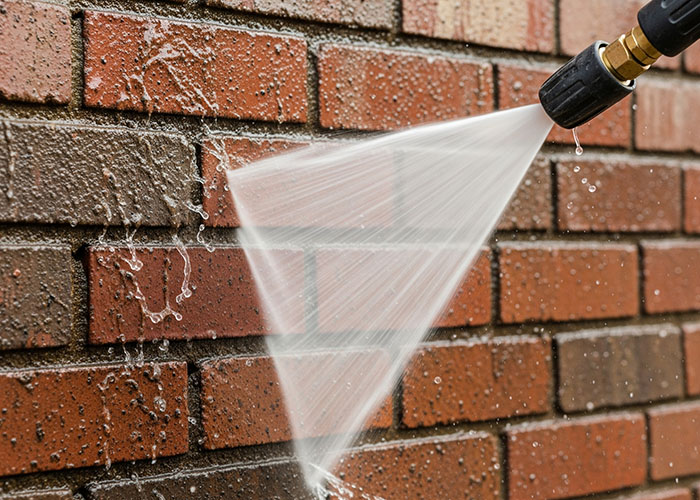
Begin with a test in a low-visibility spot. Use a wide fan tip, stand back, and make a slow pass. If stains remain, step closer before you ever raise pressure.
Keep the wand moving so you do not etch the face. Aim slightly across the surface to lift soil rather than drive water into joints or vents. When pressure washing wall surfaces with hairline cracks or soft mortar, scale back and switch to a gentler approach.
Match the method to the material. Smooth concrete tolerates more force, while old brick, cast stone, stucco, and painted walls prefer a soft-wash setup. Low pressure with the right cleaner often beats high pressure with plain water.
Cleaners, Plants, and Runoff
Select cleaners designed explicitly for outdoor hard surfaces and plant life. Pre-wet the shrubs, apply the solution as directed, and then rinse the plants again after the wall is clean. A little care keeps leaves from spotting.
Mind where the water goes. Many towns limit what can reach storm drains. Simple berms or mats help keep runoff on lawns or gravel, where allowed by local rules, and catch debris before it travels.
Timing, Staffing, and Cost Basics

Pick a dry day with light wind so that the mist does not drift onto cars or balconies. Morning starts give walls time to dry before evening foot traffic. Avoid washing on delivery days or during community events.
Decide who should do the work. Trained staff can handle low walls and simple finishes. For tall sections, complex details, or delicate surfaces, a contractor with soft-wash gear and lift access is the better choice.
Budgeting becomes easier with a steady plan. A small, seasonal line item is simpler to approve than a large, catch-up project. Track hours and materials, then use those notes to refine next year’s scope and pricing.
When Stains Call for Extra Care
Some seasons bring heavy pollen; others leave sprinkler arcs or mud splashes at the base. Address those marks early and pressure wash grimy walls before the sun and heat bake stains into the surface. Quick action keeps the job light.
Not every stain needs more force. Rust from fasteners often responds to a masonry-safe remover. Leaf and berry marks usually lift with an oxygen-based cleaner applied at the proper dwell time.
Communicate With Residents and Vendors
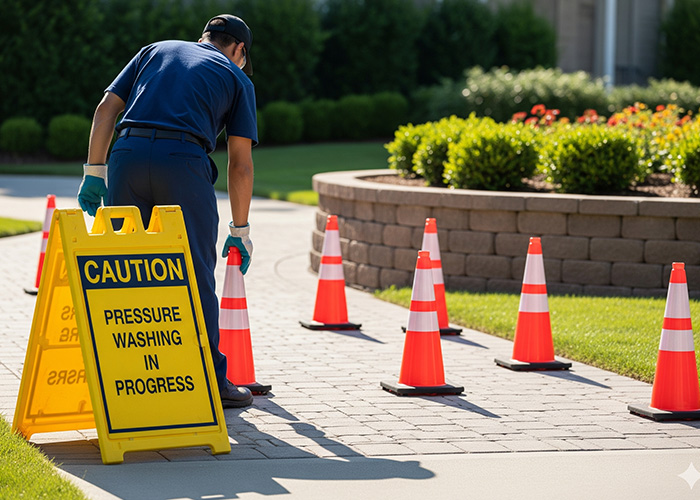
Give residents at least 48 hours’ notice with dates, times, and areas on the plan. Ask owners to move planters, bikes, or décor that lean against shared walls. Clear walk paths with cones and signs while work is underway.
Coordinate with landscapers to pause irrigation during cleaning. Wash before new mulch or seasonal color, not after. That sequence protects fresh beds and saves rework.
Fold It Into the Bigger Maintenance Picture
Seasonal cleaning makes inspections easier. Fresh walls reveal cracks, open joints, or moisture trails that may be hidden beneath grime. Turn those findings into small repair tickets before they grow.
Photo logs help everyone stay aligned. A quick set of before-and-after images clarifies expectations for vendors and shows progress to the board. The same photos improve resident updates in newsletters and apps.
This single habit touches many goals. When you pressure wash garden walls on a regular basis, you improve appearance, manage risk, and extend the life of finishes with a task that fits neatly into your calendar.
Routine Maintenance
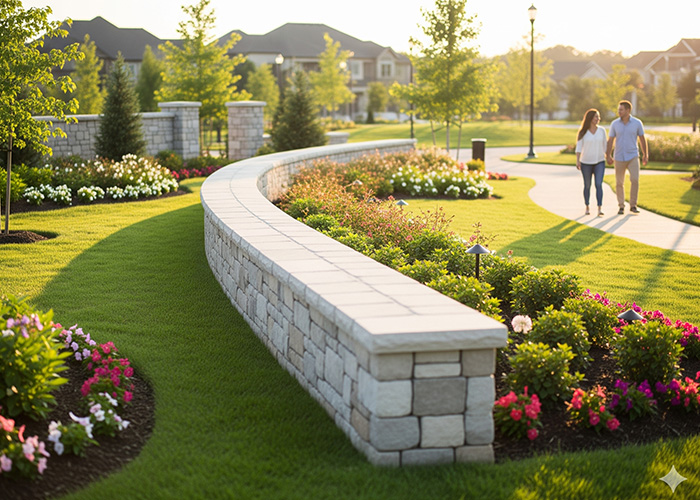
A clean backdrop makes every outdoor space feel planned and welcoming. Create a seasonal plan to pressure wash garden walls, matching the method to the material, and maintain gentle and consistent work. The result is a community that looks good, works well, and maintains that standard throughout the year.
Seeking professional assistance with cleaning your garden walls? Superb Softwash offers expert pressure washing services to residential and commercial properties. Call us today at 210.649.5655 or contact us online to receive a free estimate.
Related Articles


