Pressure Washing Costs: What to Expect

Pressure washing costs can feel a little mysterious until the first quote lands in your inbox. One neighbor pays a small flat fee, while another gets a number that seems twice as high for what looks like the same job. A few simple details usually explain the gap.
Pressure Washing Costs by Square Footage
Pressure washing costs often start with a basic measurement: how much surface needs to be cleaned. Square footage gives a company a fast way to estimate time, water use, and product needs. From there, the details shape the final number.
A smaller job can still carry a minimum charge. Travel time, setup, and cleanup still happen, even if the area is modest. That is why a quick rinse of one short walkway may cost more than expected on a per-square-foot basis.
A bigger area tends to bring the per-square-foot rate down. More time is spent actively cleaning instead of moving equipment around. As a result, large driveways or long stretches of sidewalk can feel like a better value.
A Quick Way To Picture It
An easy way to think about pricing is “surface plus effort.” Flat concrete usually takes less effort than a second-story exterior. Basic grime often takes less effort than deep stains that have been sitting for months.
Even so, one number rarely fits every property. Local labor costs matter, and so does demand in your area. That is why two quotes from different regions can look nothing alike.
Pressure Washing Costs: The Range Most Homeowners See
In many parts of the U.S., common projects land in a broad middle range rather than at the extremes. Smaller, straightforward jobs can be fairly affordable, while full-house exterior cleaning can move the total higher quickly.
A typical quote may be built in one of two ways. Some companies price by the square foot. Others price by the job, using typical sizing and condition as a guide.
Minimum charges can shape the final cost more than homeowners expect. A company might have a set minimum that covers setup, equipment wear, and disposal of wastewater. That minimum can make a small project feel pricey, even when the rate itself is reasonable.
Season also influences the numbers. Spring and early summer often bring heavier demand, so scheduling can be tighter. A slower season can sometimes make pricing a little more flexible, especially when several areas are being cleaned in one visit.
Surface Type Changes the Math
Surface type matters because it changes the risk and the time required. A wide concrete driveway is usually predictable. A delicate painted surface, older brick, or stained wood deck can call for more care, different tips, or a lower-pressure method.
Some homeowners notice that pressure washing prices look lower for simple, flat concrete than for detailed vertical surfaces. That difference tends to come down to access, rinsing time, and the need to protect nearby landscaping.
A rough guide for common jobs often looks like this:
- Driveways and other concrete flats: Usually priced on the lower end because access is simple and work moves quickly.
- House siding: Often priced higher than flatwork, especially for two-story homes or areas with heavy buildup.
- Decks and patios: Can rise in cost when wood needs extra care, or when furniture must be moved and replaced.
- Roofs and specialty cleaning: Frequently priced separately because the process is different and safety needs are higher.
Material and condition still call the shots. Painted surfaces, older mortar, and fragile trim can slow down a job. That extra care usually shows up in the quote.
What Pushes a Quote Higher
Several factors can raise pressure washing costs, even when the square footage stays the same. Condition and access tend to matter most. A property that looks “fine” from the street may still hide algae, oxidation, or oily marks that take real time to remove.
Common pricing drivers include:
- Stains that need treatment: Oil, rust, or deep organic growth can require pre-treatment and extra dwell time.
- Height and access issues: Second stories, tight alleys, and steep grades slow down setup and movement.
- Delicate surfaces: Older wood, soft stone, and aged paint often call for gentler methods and more testing.
- Water supply limitations: Long hose runs and low water pressure can slow the pace of work.
- Protection and prep work: Covering plants, moving items, and blocking overspray takes time.
- Added services: Brightening agents, post-treatment, or sealing can raise the total.
Local rules can also affect pricing. Some areas have specific wastewater requirements. When extra steps are needed to stay compliant, the quote may reflect that added work.
Timing and Bundling
A single trip that covers several areas can be more efficient for everyone. Many homeowners combine a driveway, front walk, and a small patio in one appointment. That approach often reduces the impact of minimum charges compared with booking each area separately.
Scheduling can help as well. Midweek appointments can be easier to secure than weekends. In some markets, shoulder seasons can offer more availability, which sometimes translates into more competitive pricing.
Cleaning frequency plays a quiet role, too. A home that gets washed on a steady cadence usually needs less heavy lifting each time. That lighter workload can keep future quotes more predictable.
DIY Versus Hiring a Pro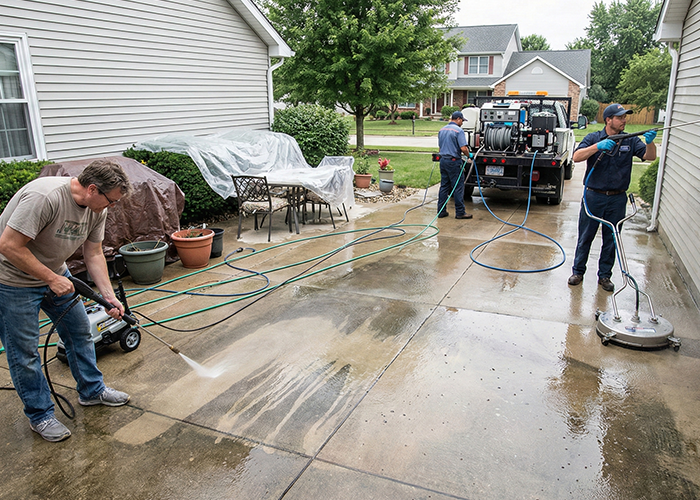
DIY pressure washing costs can look appealing at first, especially if a basic washer is already sitting in the garage. Rental rates can be reasonable, and a weekend project feels simple on paper. Real-world costs tend to include more than the machine.
Nozzle choice, water pressure, and technique matter. Siding can be damaged, paint can be stripped, and wood can splinter when pressure is too high. Repairs can erase any savings fast.
A professional brings insurance, experience, and the right approach for each surface. Many crews also carry detergents and tools that homeowners do not usually keep on hand. For some jobs, that difference shows up in both the result and the long-term wear on the property.
Pressure cleaning costs can also include the hidden “time cost” of DIY. An entire Saturday may disappear into setup, testing, rinsing, and cleanup. For many households, paying for speed and fewer headaches is part of the value.
How to Get a Quote That Makes Sense
A fair quote should feel clear, not confusing. A company should be able to explain what is included, what is not, and why the price is what it is. A quick phone estimate can help, but a written quote tends to protect everyone.
Photos and basic measurements usually help accuracy. Clear pictures of problem areas let a company spot stains, delicate materials, and access challenges. That often prevents surprise add-ons after the work begins.
A few questions can also keep expectations aligned:
- Which areas are included in the price?
- Will stains get pre-treated, or is that extra?
- Which method will be used for siding or painted surfaces?
- How will landscaping and nearby items be protected?
- Is there a minimum charge or trip fee?
- Will the quote be provided in writing?
Clarity matters more than the lowest number. A slightly higher quote can be worth it when it includes prep work, proper treatment, and careful handling of fragile spots.
Ways to Keep Pressure Washing Costs Under Control
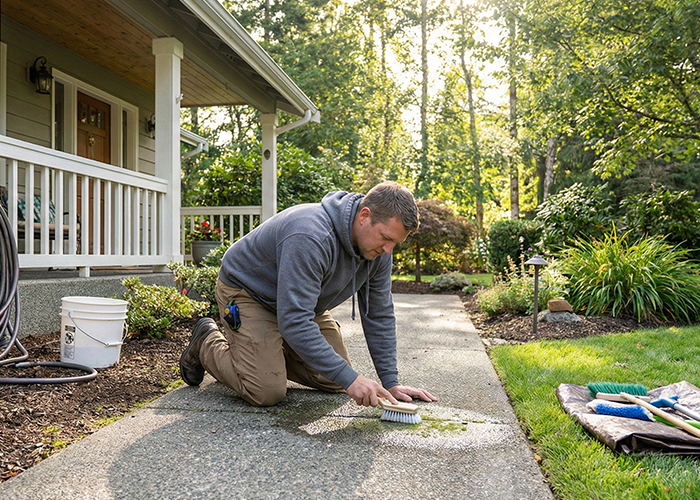
A clean exterior does not have to be a once-in-a-decade event. A practical cleaning rhythm can keep buildup from turning into a bigger project later. Smaller, routine cleanings often feel easier on the budget than a major “catch-up” wash.
A few habits can help:
- Tackle trouble spots early: A small patch of algae is easier to remove than a full wall of buildup.
- Keep gutters flowing: Overflow can stain siding and concrete, which adds work later.
- Trim back plants near surfaces: Better airflow helps slow mildew growth.
- Combine areas in one visit: One appointment can reduce the impact of minimum charges.
A little planning goes a long way. The goal is not perfection every week. A steady approach usually keeps the home looking cared for without constant spending.
The Price of Clean
Pressure washing costs make more sense once square footage, surface type, and condition get put in the same picture. A clear quote and realistic expectations can remove most of the stress from the process. With the right plan, pressure washing costs can stay predictable while the property stays sharp.
Need professional pressure washing advice? Superb Softwash offers residential and commercial pressure washing services. Call us today at 210.649.5655 or contact us online to get a free estimate!
Related Articles:


